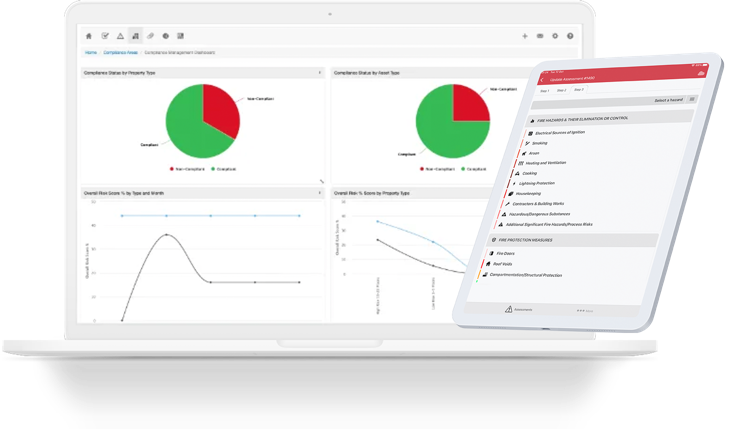
Disabled Access & Accessibility (DAA) Assessments
Structured accessibility assessments aligned to Equality Act 2010 duties and regulated property governance.
Request a DAA AssessmentWhat Is a Disabled Access & Accessibility Assessment?
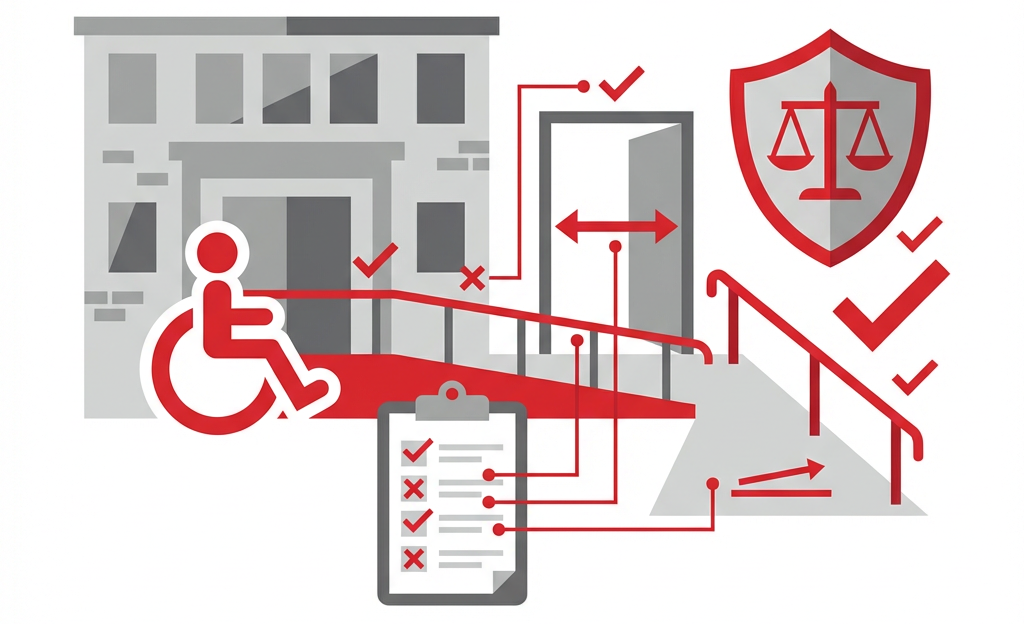
A DAA Assessment is a structured evaluation of a building’s accessibility against statutory duties and recognised best-practice guidance.
It assesses whether reasonable adjustments are required to prevent discrimination and ensure equitable access for building users, including people with disabilities and mobility or sensory impairments.
The assessment evaluates:
- External approach routes and entrances
- Thresholds, doors and circulation space
- Lifts and vertical access
- Sanitary facilities and accessible amenities
- Signage and wayfinding
- Management arrangements affecting accessibility
- Management policies affecting accessibility provision
Findings identify physical and procedural barriers that may present compliance, operational or reputational risk.
Structured Accessibility Compliance Delivery
Risk Warden delivers Disabled Access & Accessibility (DAA) Assessments designed to support compliance with Equality Act 2010 duties and associated statutory responsibilities.
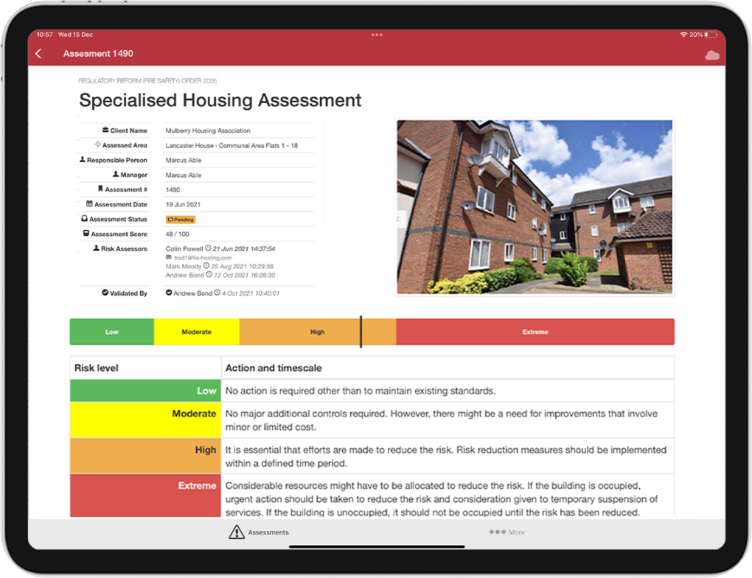
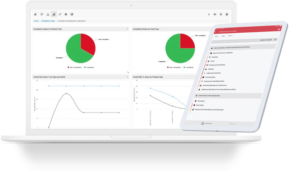
Assessments are delivered through a defined mobilisation framework and governed within the Compliance Operating System, ensuring accessibility risks and compliance gaps are identified, prioritised and managed through structured remediation.
Structured Findings & Prioritised Remediation
All DAA Assessments delivered by Risk Warden include:
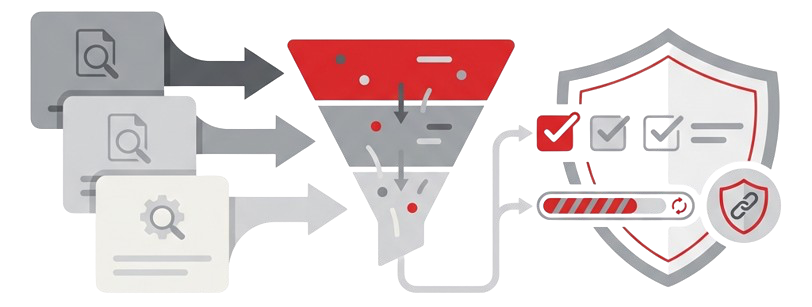
- Structured categorisation of accessibility barriers
- Defined and consistent evaluation methodology
- Risk-based prioritisation where appropriate
- Clear action recommendations
- Retention of findings and remediation status for audit
Actions are governed within a structured remediation framework, ensuring accessibility improvements are measurable, defensible and proportionate to organisational duties.
Delivered Within the Compliance Operating System
DAA Assessments are not static audit reports.
Where delivered within the platform, assessments enable:
This supports active accessibility governance rather than one-off compliance documentation.
Integration with Wider Compliance & Operational Governance
Accessibility governance interacts with broader property and statutory responsibilities.
Where appropriate, findings may inform:
- Fire evacuation planning considerations
- Health & Safety risk management
- Refurbishment and capital planning
- Stakeholder engagement processes
This ensures accessibility compliance is aligned with wider building safety and governance frameworks.
Experience, Competence & Delivery Assurance
DAA Assessments are delivered through a defined mobilisation and delivery framework aligned to regulated property portfolios.
Our approach includes:
- Competent accessibility assessors
- Structured inspection methodology across all sites
- Defined technical and quality assurance review
- Consistent reporting standards
- Governance oversight within the platform
- Capacity to scale nationally while maintaining governance standards
Services remain proportionate to statutory duties and building risk profile, while remaining defensible and scalable across multi-site estates.
Broader Fire & Property Risk Coverage
Risk Warden supports wider fire, health and property risk programmes within the same compliance environment.
In addition to Legionella Risk Assessments, we deliver:
Beyond assessment delivery, Risk Warden supports organisations requiring asset management, contractor evaluation and estate-wide compliance oversight through expanded platform plans.
Where strategic advisory or formal regulatory documentation is required, Building Safety Strategy & Assurance and Consultancy services provide structured governance support.
Book a Disabled Access & Accessibility Assessment
Structured accessibility assessment supports Equality Act compliance and defensible property governance.
Risk Warden delivers DAA Assessments designed for regulatory scrutiny and estate-wide oversight.
Frequently Asked Questions
Disabled Access & Accessibility (DAA) Assessments
While not always mandated as a standalone document, organisations have duties under the Equality Act 2010 to make reasonable adjustments and avoid discrimination. A DAA Assessment supports structured compliance with these duties.
Yes. Identified barriers are categorised and prioritised to support proportionate and defensible remediation planning.
No. A DAA Assessment identifies compliance gaps and barriers. Where major design changes are required, specialist design input may be necessary.
Yes. Where delivered within the platform, findings and actions can be governed across individual buildings or entire portfolios.
Yes. Accessibility obligations can apply to residential, commercial and public-sector buildings, particularly where services or shared facilities are provided.

Most providers offer either software or assessments. We deliver both — under one governed framework. This removes fragmentation, duplication and compliance blind spots.
Unlike traditional software vendors or isolated consultants, Risk Warden operates as a single, accountable compliance partner.
Useful Links
© Copyright 2025 Risk Warden Limited