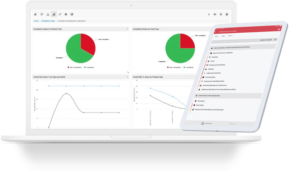
Can accessibility actions be tracked across multiple sites?
Yes. Where delivered within the platform, findings and actions can be governed across individual buildings or entire portfolios.
Does a DAA Assessment replace design consultancy?
No. A DAA Assessment identifies compliance gaps and barriers. Where major design changes are required, specialist design input may be necessary.
Are findings prioritised?
Yes. Identified barriers are categorised and prioritised to support proportionate and defensible remediation planning.
Is a Disabled Access & Accessibility Assessment a legal requirement?
While not always mandated as a standalone document, organisations have duties under the Equality Act 2010 to make reasonable adjustments and avoid discrimination. A DAA Assessment supports structured compliance with these duties.
Do fire door inspections include risk scoring?
No. Fire door inspections focus on compliance assessment and defect categorisation. Where required, findings may inform wider fire risk assessment or strategy review.
Can we use our existing asset register?
Yes. Where asset integration is enabled, existing door records can be linked within the platform. Inspection responses can automatically populate relevant asset fields to maintain accurate digital records.
Is fire door tagging required?
Physical tagging is not always mandatory but can significantly improve traceability, inspection history tracking and long-term compliance management, particularly in larger or higher-risk properties.
Who can carry out a fire door inspection?
Inspections should be undertaken by competent individuals with appropriate knowledge of fire door construction, installation and performance requirements.
How often should fire doors be inspected?
Inspection frequency depends on building type, occupancy and risk profile. High-traffic or higher-risk buildings may require more frequent inspection, particularly where doors form part of a critical compartmentation strategy.
Can this integrate with incident reporting?
Yes. Findings can integrate with incident and investigation workflows, supporting ongoing compliance governance rather than standalone reporting.